


Anger isn’t your enemy-it’s actually a messenger trying to tell you something important. You’ve probably noticed that anger shows up when your boundaries are crossed, your values are challenged, or when you feel threatened in some way. This emotion has been hardwired into your system as a survival mechanism, designed to protect you from harm. The problem isn’t that you feel angry; it’s when you let that anger drive your actions without understanding what’s really happening beneath the surface.
This post contains Amazon affiliate links, meaning I may earn a small commission if you purchase through my links, at no extra cost to you. Note: We aim to provide accurate product links, but some may occasionally expire or become unavailable. If this happens, please search directly on Amazon for the product or a suitable alternative.
The Truth About Types of Anger
Not all anger looks the same, and recognizing the different faces it wears can help you respond more effectively. You might experience passive anger that simmers quietly, aggressive anger that explodes outward, or assertive anger that actually helps you communicate your needs. Some anger burns hot and fast, while other types settle into your bones and become resentment. The key is identifying which type you’re dealing with so you can choose the right approach to handle it.
- Passive anger hides behind sarcasm and silent treatment
- Aggressive anger manifests through shouting and physical reactions
- Assertive anger expresses needs without attacking others
- Chronic anger becomes a constant companion affecting your health
- The distinction between these types determines your path forward
| Type of Anger | How It Shows Up |
| Passive Anger | Withdrawal, sarcasm, procrastination, and subtle sabotage of relationships |
| Aggressive Anger | Yelling, physical outbursts, intimidation, and direct confrontation |
| Assertive Anger | Clear communication, boundary setting, and respectful expression of needs |
| Chronic Anger | Persistent irritability, constant frustration, and ongoing resentment |
| Sudden Anger | Quick flare-ups, immediate reactions, and short-lived intense emotions |
Why We Get Angry Anyway
Your anger typically springs from four main sources: unmet expectations, perceived injustice, feeling disrespected, or experiencing powerlessness. When someone cuts you off in traffic, your brain registers it as a threat to your safety and dignity. When your partner forgets an important date, it triggers feelings of being undervalued. These triggers aren’t random-they’re deeply connected to your core needs for safety, respect, love, and control over your life.
Understanding your personal anger triggers gives you an advantage in managing your responses. You might notice patterns where certain situations consistently set you off, whether it’s feeling ignored, being criticized, or watching others break rules you follow. Your upbringing plays a role too-if you grew up in an environment where anger was either explosive or completely suppressed, you’ve learned specific patterns of handling this emotion. Breaking free from these patterns starts with awareness, and that’s exactly what you’re building right now by exploring these six basic steps toward overcoming anger.
My Take on Managing Anger
Managing your anger isn’t about becoming emotionless or pretending everything’s fine when it’s not. It’s about recognizing that you hold the reins, not your emotions. When you practice these six steps consistently, you’re necessarily training yourself to respond rather than react. The difference between the two is massive-reacting is automatic and often regretful, while responding gives you the space to choose your next move wisely. Your anger doesn’t disappear, but it stops running the show.
Essential Tips You Can’t Ignore

Here’s what you need to keep front and center as you work through your anger journey:
- Never skip the breathing step, even when it feels silly or unnecessary in the moment
- Keep a dedicated journal just for anger moments so you can track patterns over time
- Practice forgiveness daily, starting with small annoyances before tackling bigger hurts
- Change your environment immediately when you feel heat rising in your chest—using a tool for physical relaxation like a neck massager can help release tension quickly.
- Any progress you make, no matter how small, deserves acknowledgment and celebration
Why Calmness Is Key
Calmness isn’t just a pleasant state to be in-it’s your superpower when dealing with anger. When you’re calm, your brain actually functions better, allowing you to see solutions instead of just problems. That peaceful state gives you clarity to distinguish between what truly matters and what’s just noise. Without calmness, you’re operating from a place of chaos, and chaos never builds anything worthwhile.
Think of calmness as the foundation of a house. You wouldn’t build on shaky ground, right? The same applies to handling your emotions. When you prioritize staying calm, you create a stable base from which to address whatever triggered your anger. Creating a calming environment with soothing scents from essential oils can support this foundation. This doesn’t mean you’re weak or passive—quite the opposite. Calmness takes strength and intentional effort. It means you’re choosing to be the eye of the storm rather than the destructive wind. Your calm presence becomes contagious, affecting not just you but everyone around you, transforming potentially explosive situations into opportunities for growth and understanding.
Here’s a Step-by-Step Guide to Chill Out
Breaking down your anger management journey into bite-sized actions makes the whole process less overwhelming. A great practical guide like the book Atomic Habits can help structure this approach. You’ve got immediate tools for those fiery moments—like an eye massager for a quick relaxation technique to calm down—and deeper strategies that transform how you handle frustration altogether. Think of it as having both a fire extinguisher and a sprinkler system—you need different approaches for different situations.
| Immediate Actions | Long-Term Practices |
| Change your location instantly | Journal regularly about your feelings |
| Take ten deep breaths | Identify your anger patterns |
| Count backwards from 20 | Practice daily surrender exercises |
| Splash cold water on your face | Develop a forgiveness routine |
| Step outside for fresh air | Set clear personal boundaries |
| Call a trusted friend | Build emotional awareness habits |
Quick Fixes When You’re About to Blow
When your blood’s boiling and you’re seconds away from saying something you’ll regret, you need emergency tactics. Physically removing yourself from the situation gives your brain precious seconds to switch from reaction mode to response mode. Combine that location change with those ten deep breaths, and you’re basically hitting the reset button on your nervous system. These aren’t permanent solutions, but they’re your first line of defense.
Long-Term Strategies that Seriously Help

Building lasting change means creating daily habits that rewire how you process anger. Writing down your feelings consistently prevents that emotional time bomb from building up inside you. When you make forgiveness a regular practice rather than a one-time event, you’re importantly training your heart to let go faster each time.
The real magic happens when you start recognizing your anger triggers before they explode. Maybe you notice that hunger makes you irritable, or that certain topics always set you off. Writing down what you actually want from situations helps you communicate needs instead of just venting frustration. Surrendering doesn’t mean becoming a doormat—it means releasing the exhausting need to be right all the time. Your energy becomes available for growth instead of being trapped in resentment. This shift takes consistent practice, but each time you choose forgiveness over bitterness, you’re literally freeing yourself to move forward with a lighter heart. Having the right tools can make this practice easier—consider a book like The Subtle Art of Not Giving a F*ck to help with letting go of what doesn’t serve you.
Reading the article is a great first step. To truly own this process, download your FREE, enhanced companion guide.
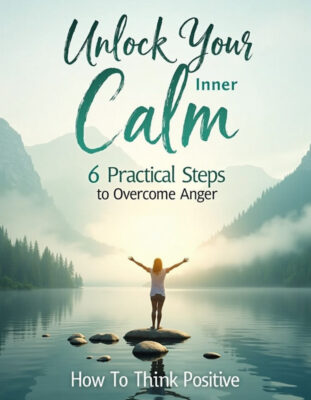
This exclusive PDF guide gives you the tools to apply what you learned, anywhere:
✅ Key takeaways summarized – A quick-reference cheat sheet for when you need it most.
✅ The “Emotional Response Plan” exercise – A fillable worksheet not found in the article to map out your personal triggers and new responses.
✅ 10 bonus tips – Extra tips to help you stay cool under pressure.
Get your free workbook instantly when you join the How To Think Positive newsletter. You’ll also receive weekly insights and practical tools for cultivating a peaceful, positive mindset delivered straight to your inbox.
👉 Get Your “Unlock Your Inner Calm” Workbook Here
Take control of your reactions and build lasting inner peace. Your calmest self awaits.
What Factors Really Make Us Angry?
Understanding your anger triggers is like having a personal roadmap to emotional freedom. Most of your anger doesn’t just appear out of nowhere-it’s usually sparked by specific situations, people, or circumstances that push your buttons. These triggers fall into two main categories: things happening around you and things happening within you. Once you identify what sets you off, you gain the power to anticipate and manage your reactions before they spiral out of control. Any pattern you notice in your anger episodes gives you valuable insight into what needs addressing in your life.
Environmental Triggers You Should Know
Your surroundings play a massive role in triggering anger responses. Traffic jams, noisy neighbors, crowded spaces, or even uncomfortable temperatures can push you toward frustration. Work environments with constant interruptions, tight deadlines, or difficult colleagues create perfect conditions for anger to brew. Social media feeds filled with negativity or news cycles reporting one crisis after another drain your emotional reserves. Even seemingly small things like a messy room or broken appliances accumulate stress that eventually boils over. Any change you make to your physical environment can significantly reduce your anger frequency. Creating a designated calm space with calming essential oils can transform your home into a sanctuary that prevents stress accumulation.
Personal Issues that Put You Over the Edge
Internal struggles often fuel your anger more than external circumstances. Unmet expectations, feelings of disrespect, or perceived injustices hit you at your core. Financial stress, relationship problems, or career disappointments create underlying tension that makes you more reactive to everything else. Past traumas or unresolved conflicts leave emotional wounds that remain sensitive to certain triggers. Feeling unheard, undervalued, or powerless in situations activates defensive anger as a protection mechanism. Any unresolved personal issue you carry becomes ammunition for future anger explosions.
Your personal anger triggers are deeply connected to your values and sense of identity. When someone challenges what you believe in or threatens your self-worth, your anger response intensifies dramatically. Feeling betrayed by someone you trusted, being treated unfairly despite your best efforts, or watching your boundaries get violated repeatedly creates a pressure cooker effect inside you. Physical factors like hunger, exhaustion, or hormonal changes lower your tolerance threshold, making you more susceptible to anger. The combination of sleep deprivation and accumulated stress transforms minor annoyances into major confrontations. When physical tension from stress builds up, using a massage gun for targeted pain relief can help release tension before it escalates. Learning to recognize when you’re emotionally vulnerable helps you prepare better defenses against inappropriate anger reactions that you’ll later regret.
Pros and Cons of Different Anger Management Techniques
Now that you’ve learned the six basic steps, you might be wondering which techniques will work best for your unique situation. Each anger management approach has its strengths and limitations, and understanding these will help you make informed choices about your emotional wellness journey. Different methods resonate with different personalities, so let’s break down what each technique offers and where it might fall short.
| Technique | Pros | Cons |
| Changing Your Environment | Immediate results, prevents escalation, gives you physical distance from triggers | Not always possible in certain situations, might seem like avoidance to others |
| Deep Breathing | Can be done anywhere, free, calms your nervous system quickly | Requires practice to be effective, may feel awkward in public settings |
| Writing Your Feelings | Releases emotions safely, creates a record you can reflect on later | Needs time and privacy, not practical during heated moments |
| Writing What You Want | Helps clarify your needs, transforms anger into constructive action | Requires honest self-reflection, can be challenging when emotions are high |
| Surrendering | Frees you from the need to be right, reduces emotional burden | Can feel like giving up, difficult for those who value control |
| Forgiveness | Provides lasting peace, breaks cycles of resentment, empowers you | Takes time to achieve genuinely, often misunderstood as condoning bad behavior |
What Works and What Doesn’t
The techniques that work best are those you’ll actually use when anger strikes. Deep breathing and changing your environment deliver immediate relief, making them perfect for those explosive moments. Writing techniques shine when you need deeper processing and long-term solutions. What doesn’t work? Suppressing your feelings or pretending you’re not angry. Bottling up emotions only delays the inevitable explosion, creating bigger problems down the road.
1. Physical Release Techniques
Pros: Immediate relief, reduces cortisol levels, addresses the physical symptoms of anger directly. Methods like exercise, deep breathing, or using a scalp massager provide instant calm by interrupting the stress response physically. Cons: Doesn’t address root causes, temporary effect, can become avoidance if overused without reflection.
2. Cognitive Restructuring
Pros: Addresses thought patterns that fuel anger, creates lasting change, improves overall mental health. Resources like How to Win Friends & Influence People help develop better communication skills to prevent misunderstandings that trigger anger. Cons: Requires consistent practice, challenging to implement in the heat of the moment, needs self-awareness.
3. Communication Skills Development
Pros: Prevents misunderstandings, builds healthier relationships, addresses anger at its source. Learning assertive communication rather than aggressive confrontation transforms how you express frustration. Cons: Requires both parties to engage constructively, difficult when emotions are high, takes time to master.
4. Environmental Modification
Pros: Reduces exposure to triggers, creates supportive spaces for calm, prevents anger before it starts. Simple changes like decluttering or adding relaxation tools to your routine help maintain baseline calm. Cons: Not always possible to control environments, can create dependency on perfect conditions, doesn’t build internal resilience.
5. Philosophical/Mindset Shifts
Pros: Creates fundamental change in how you perceive challenges, reduces frequency of anger triggers, builds emotional resilience. Reading materials like The Four Agreements offers a practical guide to reframing situations that typically cause anger. Cons: Abstract concepts, requires deep reflection, challenging to implement consistently.
Finding Your Best Fit
Your personality plays a huge role in determining which techniques will become your go-to methods. If you’re someone who processes emotions internally, writing might feel natural and therapeutic. Active people often find that changing their environment or taking a walk works wonders. The key is experimenting with each technique during smaller frustrations before you need them during major conflicts.
Think about your daily routine and lifestyle when selecting your primary anger management tools. If you work in an open office, stepping away might be easier than pulling out a journal. If you’re home alone frequently, writing could become your most powerful outlet. You might also discover that combining techniques creates the best results-perhaps you change your environment first, then practice deep breathing, and later write down your feelings. The beauty of these six steps is their flexibility. You can mix and match them based on the situation, your energy level, and what feels right in the moment. Pay attention to which methods leave you feeling genuinely calmer versus which ones just temporarily distract you. Your anger management toolkit should evolve as you grow and learn more about your emotional patterns.
Real Talk: The Importance of Forgiveness
Forgiveness is where the real transformation happens. You’ve changed your environment, taken those deep breaths, written down your feelings and wants, and surrendered the need to justify yourself. Now comes the final step that actually sets you free. When you forgive-whether it’s someone else or yourself-you’re not saying what happened was okay. You’re simply choosing to stop carrying that weight around. That old saying about unforgiveness being like poison isn’t just poetic; it’s the truth about what happens when you hold onto resentment. Forgiveness redirects your energy from replaying the past to building your future.
Why Forgiveness Might Be Hard
Holding onto anger can feel justified, especially when you’ve been genuinely wronged. Your mind keeps replaying the situation, building a case for why you deserve to stay mad. Sometimes forgiving feels like you’re letting someone off the hook or admitting you were wrong when you weren’t. The problem is, while you’re busy holding that grudge, the other person has probably moved on with their life. You’re the one still carrying the burden, not them. Forgiveness feels hard because we confuse it with forgetting or excusing bad behavior.
How Letting Go Can Actually Set You Free
Letting go breaks the invisible chains keeping you stuck in that angry moment. When you release the need for revenge or validation, something shifts inside you. Your heart literally feels lighter because you’re no longer spending mental energy rehearsing arguments or imagining confrontations. That energy becomes available for things that actually matter-your goals, relationships, and peace of mind. Forgiveness isn’t a gift you give to someone else; it’s freedom you give yourself.
Think about it this way: every minute you spend angry about something that already happened is a minute stolen from your present. You can’t change the past, but you can absolutely change how much power you give it over your today. When you truly let go, you’ll notice you sleep better, your relationships improve, and opportunities you couldn’t see before suddenly become visible. That’s because anger acts like blinders, narrowing your focus to just the problem. Forgiveness removes those blinders and opens up your entire field of vision again. You stop being defined by what hurt you and start being defined by who you choose to become.
Final Words
Considering all points, you now have six practical steps that can genuinely transform how you handle anger in your daily life. These aren’t just empty suggestions-they’re tools you can actually use when emotions run high. By changing your environment, breathing deeply, writing your feelings and desires, surrendering blame, and finally forgiving, you’re giving yourself the gift of emotional freedom. Anger doesn’t have to control your reactions or poison your relationships anymore. You’ve got the power within you to choose a different path, one that leads to peace rather than destruction. Start small, be patient with yourself, and watch how these steps gradually reshape your emotional landscape into something healthier and more fulfilling.