
Many of us don’t realize we’re heading towards burnout until it’s too late. You might think you’re handling your daily pressures well, but your body could be sending you subtle warnings that you’re more stressed than you think. From your sleep patterns to your digestive health, your body has various ways of telling you it’s time to slow down. Whether you’re dealing with work pressure, relationship challenges, or daily life demands, understanding these hidden signs can help you take action before you hit your breaking point. This guide will show you how to spot these subtle signals and give you practical stress management tools to regain your balance and well-being.
This post contains Amazon affiliate links, meaning I may earn a small commission if you purchase through my links, at no extra cost to you. Note: We aim to provide accurate product links, but some may occasionally expire or become unavailable. If this happens, please search directly on Amazon for the product or a suitable alternative.
The Silent Alarm: Headaches as a Stress Indicator
Your head often bears the brunt of mounting stress before you consciously realize something’s wrong. Tension headaches and migraines can serve as your body’s early warning system, signaling that your stress levels have crossed into dangerous territory. These stress-induced headaches typically start as a dull ache and gradually intensify as pressure builds throughout your day.
Types of Stress-Related Headaches
- Tension headaches: Band-like pressure around your head
- Stress migraines: Throbbing pain often on one side
- Cervicogenic headaches: Pain from neck tension
- Cluster headaches: Intense pain behind one eye
| Symptom | Stress Connection |
|---|---|
| Muscle tension | Elevated cortisol causes muscle tightness |
| Light sensitivity | Stress hormones increase sensory sensitivity |
| Neck pain | Poor posture from stress-induced tension |
| Throbbing | Blood vessel constriction from stress |
| Duration | Can last hours to days if stress persists |
Strategies for Relief
Taking action at the first sign of a stress headache can help prevent it from escalating. Simple techniques like deep breathing, stepping away from screens, and gentle neck stretches can provide immediate relief. For longer-term prevention, regular exercise, proper sleep hygiene, and stress management practices like meditation can reduce headache frequency. Recognizing your personal headache triggers helps you take control before pain takes hold.
Consider keeping a headache diary to track potential triggers and patterns. Note factors like sleep quality, caffeine intake, and stressful events alongside your headache symptoms. This data helps you spot connections between lifestyle factors and head pain, empowering you to make targeted changes. A quality massage pillow can also provide relief when tension starts building in your neck and shoulders.
Ready to uncover your hidden stress—and finally overcome it for good?
You just read about the sneaky signs of stress you might be missing. Now, it’s time to take action.
Download your FREE enhanced PDF guide:
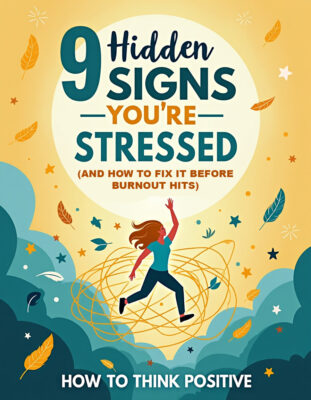
This isn’t just the article—it’s your personal toolkit, including:
✅ Key takeaways summarized – perfect for quick review
✅ An exclusive self-audit exercise – to uncover your unique stress triggers
✅ Bonus calming techniques – not found in the original post
✅ Take it on the go – offline version easy to share with family and friends
Get your free PDF instantly when you join the How To Think Positive newsletter. You’ll also receive supportive tips and uplifting insights to help you stay grounded—delivered gently to your inbox.
👉 Click Here to Download Your Free Stress Guide
Your peace of mind is worth it. 💆♀️✨
Gut Check: Digestive Issues and Stress
Your digestive system serves as a sensitive barometer for your stress levels, often reacting dramatically to emotional upheaval before you consciously recognize it. Chronic stress can trigger a cascade of gut-related symptoms including bloating, acid reflux, and irregular bowel movements. These digestive disruptions aren’t just uncomfortable – they’re your body’s way of signaling that your stress levels need attention.
The Brain-Gut Connection
The gut and brain maintain a constant two-way dialogue through what scientists call the gut-brain axis. When you’re stressed, your brain sends signals that alter gut function, leading to changes in motility and increased inflammation. Your gut hosts millions of neurons (sometimes called your “second brain”) that respond to emotional stress by producing physical symptoms.
Research shows that up to 90% of serotonin, your body’s natural mood stabilizer, is actually produced in your gut. When stress disrupts this delicate ecosystem, it can trigger both digestive issues and mood changes – creating a vicious cycle where gut problems increase stress, which further aggravates your digestive system.
Dietary Adjustments to Alleviate Symptoms
Making strategic changes to your diet can help calm both your mind and digestive system. Focus on eating more probiotic-rich foods like probiotic yogurt and fermented vegetables to support your gut microbiome. Incorporate calming chamomile tea and other herbal teas into your daily routine.
Consider adding gut-friendly foods like bone broth, ginger, and peppermint to your meals. Avoid common gut irritants when stressed, including caffeine, alcohol, and processed foods high in refined sugars. Small, frequent meals can also help prevent overwhelming your digestive system when it’s already under stress.
Frequent Illness: Your Body’s Stress Signal

Those recurring colds and infections aren’t just bad luck – they’re your body waving a red flag about your stress levels. When you’re constantly under pressure, your immune system takes a direct hit. Your body’s natural defense mechanisms become compromised, making you more susceptible to everything from the common cold to more serious infections.
How Stress Impacts Immunity
Your immune system’s effectiveness plummets when stress hormones flood your body. Cortisol specifically suppresses the production of white blood cells and antibodies – your body’s natural defense team. Studies show that people experiencing chronic stress have up to 50% fewer natural killer cells, leaving them vulnerable to viruses and bacteria that they’d normally fight off easily.
The relationship between stress and immunity creates a frustrating cycle – you get sick more often, which causes more stress, which further weakens your immune system. This pattern explains why you might catch every bug going around during particularly stressful periods in your life.
Building a Resilient Immune System
Breaking free from this cycle requires a multi-pronged approach to strengthening your immune system. Regular exercise, even just a 30-minute daily walk, can boost your natural killer cell count by up to 40%. Getting 7-9 hours of quality sleep mask allows your body to produce infection-fighting proteins, while a diet rich in vitamin C immune support supplements and zinc supports optimal immune function.
Consider incorporating stress-reduction techniques like meditation cushion or deep breathing exercises into your daily routine. These practices not only calm your mind but also trigger your body’s relaxation response, which helps regulate immune function and reduce inflammation. Adding adaptogenic herbs stress relief supplements to your wellness routine can also help your body better manage stress responses and support immune system resilience.
The Scale Doesn’t Lie: Weight Fluctuations Under Stress
Your bathroom scale can be one of the first indicators that stress has taken hold of your life. The hormonal cascade triggered by chronic stress directly impacts your metabolism, often leading to noticeable weight changes within weeks. Cortisol, nicknamed “the stress hormone,” signals your body to hold onto fat stores while simultaneously affecting insulin levels that regulate blood sugar – creating the perfect storm for weight fluctuations.
Stress Eating vs. Appetite Loss
During periods of high stress, you might find yourself reaching for comfort foods high in sugar and fat – those chocolate bars and bags of chips suddenly become irresistible as your body craves quick energy. This “stress eating” response can pack on pounds quickly, especially around your midsection where cortisol tends to direct fat storage. On the flip side, some people experience complete appetite loss under stress, as their fight-or-flight response suppresses hunger signals.
Mindful Eating Practices for Balance
Breaking the stress-weight cycle starts with bringing awareness to your eating habits. Try keeping a food journal to track not just what you eat, but also your stress levels and emotions at mealtimes. Setting regular meal times, eating without distractions, and choosing nutrient-dense whole foods can help stabilize both your mood and weight.
Incorporating simple mindfulness techniques like taking three deep breaths before meals or using portion control plates can make a significant difference. These practices help you reconnect with your body’s natural hunger and fullness cues, which often get drowned out during stressful periods. When combined with stress-management activities like gentle exercise or meditation, mindful eating becomes a powerful tool for maintaining a healthy weight despite life’s pressures.
Exhaustion: More than Just Fatigue
Feeling tired goes beyond needing an extra cup of coffee when chronic stress takes hold. Your body operates in a constant state of high alert, depleting your energy reserves faster than they can naturally replenish. The combination of elevated cortisol levels and disrupted sleep patterns creates a vicious cycle where physical and mental exhaustion feed into each other, making simple daily tasks feel overwhelming.
Recognizing Chronic Exhaustion as a Concern
Your exhaustion might manifest as difficulty concentrating on work tasks, forgetting important details, or feeling physically drained even after a full night’s sleep. Physical signs include heavy limbs, slower reaction times, and a persistent feeling of being “worn out.” When you find yourself needing frequent naps yet still feeling tired, or experiencing emotional numbness, your body is likely sending distress signals about accumulated stress.
Watch for changes in your sleep patterns – whether you’re sleeping too much or too little. If you find yourself lying awake at night with racing thoughts, or waking up feeling unrested despite sleeping for 8+ hours, these are red flags that stress is affecting your body’s natural recovery processes. A weighted blanket might help calm your nervous system for better rest.
Recharging Techniques for Mental and Physical Health
Start by creating clear boundaries between work and rest time. Set specific “shutdown” hours where you disconnect from emails and work-related tasks. Regular movement, even gentle activities like yoga with a quality yoga mat, can help reset your energy levels. Consider incorporating meditation or deep breathing exercises into your daily routine to help regulate your nervous system.
Making time for activities that genuinely energize you isn’t selfish – it’s necessary maintenance for your mental and physical wellbeing. Try using an essential oil diffuser with calming scents like lavender or chamomile to create a relaxing environment at home. Schedule regular breaks throughout your day, even if just for five minutes, to step away from stressors and allow your mind and body to reset.
Stress and the Heart: Chest Pain as a Warning
Your heart bears the brunt of chronic stress through elevated cortisol and adrenaline levels that keep your cardiovascular system in overdrive. This persistent state of heightened activity can manifest as chest pain, irregular heartbeat, or a sensation of tightness across your chest. While occasional heart flutters during stressful moments are normal, frequent chest discomfort signals that your stress levels need immediate attention.
Recognizing the Signs of Stress-Induced Chest Pain
Stress-related chest pain typically feels like a squeezing sensation that may spread to your shoulders, neck, and arms. You might notice this discomfort intensifies during particularly challenging work deadlines or emotional confrontations. The pain often accompanies other physical symptoms like rapid breathing, sweating, and a racing heartbeat – creating a stress response cycle that can feel overwhelming.
Your body’s fight-or-flight response triggers these sensations by releasing stress hormones that constrict blood vessels and increase heart rate. While these symptoms can mimic those of a heart attack, stress-induced chest pain typically subsides when you remove yourself from stressful situations or practice calming techniques like meditation.
Heart-Healthy Practices for Stress Management
Taking care of your heart during stressful periods requires a multi-faceted approach. Regular cardiovascular exercise, like brisk walking or swimming, helps regulate blood pressure and releases endorphins that naturally combat stress. Incorporating heart rate monitoring into your daily routine can help you track stress impacts and make necessary adjustments to your lifestyle.
Dietary changes also play a vital role in protecting your heart from stress damage. Adding potassium-rich foods, omega-3 fatty acids, and maintaining proper hydration supports healthy heart function. Consider starting your day with a calming cup of green tea instead of caffeine-heavy beverages that can trigger stress responses.
Beyond physical practices, developing emotional resilience through stress-management techniques proves equally important. Practicing deep breathing exercises, establishing consistent sleep patterns, and setting boundaries in professional and personal relationships helps create a protective buffer against stress-induced heart strain. Regular check-ins with a healthcare provider can ensure your heart stays healthy while you work on managing your stress levels more effectively.
The Intimacy Gap: Loss of Sex Drive Amid Stress
Your sex drive often serves as a hidden barometer for stress levels, yet many people overlook this crucial warning sign. During periods of prolonged stress, your body prioritizes survival mechanisms over reproductive functions, leading to a noticeable decrease in libido. The flood of stress hormones like cortisol interferes with the production of sex hormones, creating a biological barrier to intimate connections.
The Psychological Effects of Stress on Libido
Mental exhaustion from chronic stress can make it difficult to feel present and connected during intimate moments. Your mind may race with work deadlines, financial worries, or relationship tensions, creating an invisible wall between you and your partner. This mental preoccupation, combined with physical fatigue, makes it challenging to maintain interest in sexual activity.
The brain’s stress response can trigger a cascade of psychological barriers – from poor body image to decreased self-confidence. You might find yourself avoiding intimate situations altogether, creating a cycle where lack of physical connection increases stress levels further. This pattern often goes unnoticed until it starts affecting your relationship satisfaction.
Communication and Connection: Key Solutions
Breaking the stress-libido cycle starts with open dialogue with your partner about what you’re experiencing. Schedule regular check-ins to discuss stress levels and their impact on your relationship. Creating a relaxing environment for intimacy, whether through meditation, couples’ massage, or simply dedicated quality time, can help rebuild physical connection.
Consider incorporating stress-management techniques like couples therapy exercises or mindfulness practices into your daily routine. Taking steps to address underlying stress while maintaining emotional intimacy can gradually restore your natural desire for physical connection. Remember that healing takes time – focus on small improvements rather than expecting immediate changes.
When Small Problems Snowball: Identifying Patterns
Your brain’s natural tendency to connect dots between situations can sometimes work against you, turning minor setbacks into perceived catastrophes. That quick email response you haven’t received morphs into anxiety about job security. A cancelled lunch date spirals into questioning all your friendships. These thought patterns don’t just pile up – they multiply, creating a snowball effect that can feel impossible to stop.
The Tipping Point: Stressors That Accumulate
Small stressors build up in predictable patterns before reaching a breaking point. Your morning commute delay leads to a rushed client meeting, which causes you to skip lunch, leaving you irritable for your afternoon presentations. By day’s end, even minor inconveniences feel overwhelming. Research shows that these stress management tools and coping techniques can help interrupt this cycle before it gains momentum.
Prevention Strategies to Stop a Spiral
Breaking the snowball effect requires catching stress patterns early. Start by tracking your triggers in a stress journal to identify your personal tipping points. When you notice early warning signs like tension headaches or racing thoughts, take immediate action through quick stress-relief techniques like deep breathing or a 5-minute meditation using a mindfulness app.
Creating buffer zones in your schedule also helps prevent stress accumulation. Build in 10-minute breaks between meetings, keep a stash of healthy snacks at your desk, and maintain a consistent sleep schedule using a sleep tracking device. These small preventive measures can stop stress from compounding and protect your mental wellbeing over the long term.
Coping Tips: Your Toolkit for Managing Stress
Your stress management toolkit needs practical, actionable strategies you can implement right away. Building resilience against stress isn’t about completely eliminating it from your life – it’s about developing healthy ways to process and release tension before it overwhelms you. Here’s your imperative stress-busting arsenal:
- Practice deep breathing exercises with a meditation cushion for 5-10 minutes daily
- Get moving with regular yoga or exercise sessions
- Create a calming bedtime routine using essential oils for better sleep
- Set boundaries around work hours and screen time
- Start journaling to process difficult emotions
- Practice mindfulness during daily activities
- Take regular breaks using a stress ball or similar tool
- Connect with supportive friends and family
- Explore calming hobbies like gardening or art
- Consider professional support when needed
After implementing these strategies consistently for a few weeks, most people report feeling more equipped to handle life’s challenges with greater ease and resilience.
Final Words
Presently, you’re equipped with valuable knowledge about the hidden signs of stress and how they manifest in your body. By staying vigilant about these warning signals – from your tension headaches to changes in your sleep patterns – you can take proactive steps before reaching complete burnout. Whether it’s incorporating meditation practices into your daily routine or using stress-relief supplements, the power to manage your stress levels lies in your hands.
Your journey to better mental wellness starts with recognizing these signs and taking action. Consider using aromatherapy diffusers or practicing breathing exercises to help manage your stress levels. By implementing these stress management techniques and maintaining awareness of your mental health, you’re taking significant steps toward a more balanced and healthier lifestyle. Your body and mind will thank you for paying attention to these signals and taking action before stress takes too heavy a toll.
Frequently Asked Questions (FAQs)
1. What is the most common physical sign of stress?
While it varies from person to person, tension headaches and muscle tightness in the neck and shoulders are among the most frequently reported early signs of stress. This is often due to the body’s instinctual fight-or-flight response causing muscle contraction.
2. Can stress really make me gain weight even if I’m not eating more?
Yes. Chronic stress elevates cortisol, a hormone that can increase appetite and cravings for unhealthy foods, but it also promotes the storage of fat, particularly around the abdomen, and can slow down your metabolism, leading to weight gain even without a significant change in calorie intake.
3. How can I tell if my chest pain is from stress or a heart problem?
Stress-induced chest pain often feels like a tightness or squeezing that coincides with anxiety and may improve with relaxation techniques. However, you should always seek immediate medical attention for any new, unexplained, or severe chest pain to rule out a serious cardiac issue. A doctor can help you determine the cause.
4. Why does stress cause digestive problems like bloating and irregularity?
Through the gut-brain axis, stress signals from your brain can alter gut function, slowing down or speeding up digestion, increasing inflammation, and disrupting the balance of gut bacteria. This leads to common symptoms like bloating, cramping, constipation, or diarrhea.
5. I’m too busy to meditate for long periods. What’s a quick stress-relief technique I can use anywhere?
The most accessible technique is focused breathing. Try the “4-7-8” method: inhale quietly through your nose for 4 seconds, hold your breath for 7 seconds, and exhale completely through your mouth for 8 seconds. Repeat this cycle 3-4 times. This quickly activates your body’s relaxation response and can be done at your desk, in your car, or anywhere you feel stress building.
🚨 Your Body is Begging for a Reset – Will You Listen?
You’ve just learned the 9 hidden SOS signals your body uses to scream “I’m stressed!” – but knowledge alone won’t rebalance your cortisol.
👉 Grab your free Body Stress SOS Fast Guide now and:
✅ Decode YOUR specific stress signals
✅ Fix them in 5 minutes or less (no meditation experience needed)
✅ Stop guessing if it’s “just tired” or something deeper
📥 Download your free Online Guide + bonus here:
GET the Body Stress SOS Fast Guide Here
“I used the 3pm crash hack from this guide yesterday – first afternoon in months I didn’t need coffee!” – Ryan T., reader like you
P.S. Your future calm, focused self will thank you at 3pm tomorrow. Click now before you forget!